
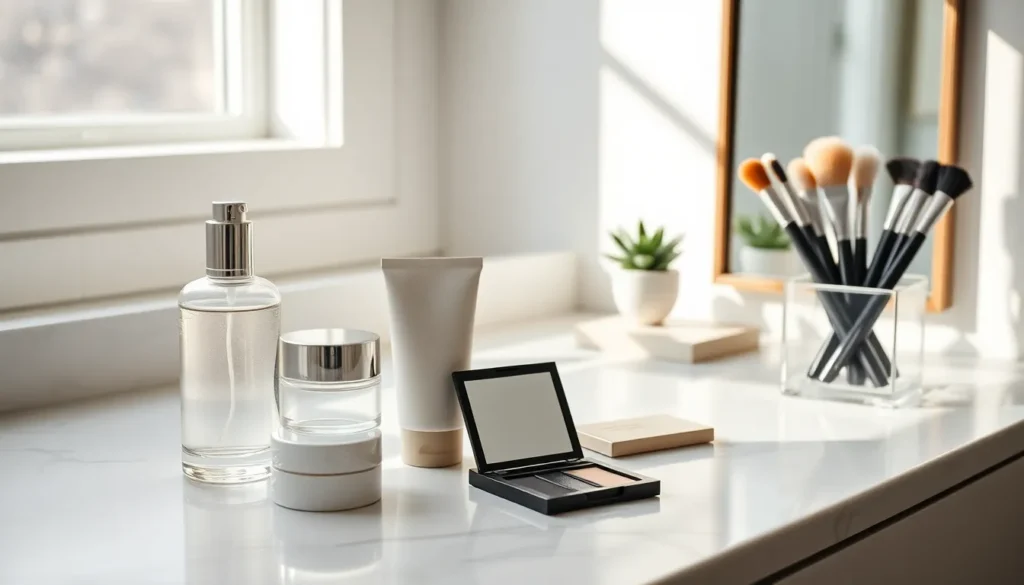
Beauty breakdown strategies help people cut through the clutter of endless products and routines. Most people own far more skincare and makeup than they actually use. The average American spends over $300 per year on beauty products, yet many items sit untouched in drawers and cabinets.
A beauty breakdown takes a different approach. It focuses on simplifying routines, identifying what actually works, and eliminating waste. This method saves time, money, and mental energy. Instead of following every trend, people learn to build systems that deliver real results.
This guide covers practical ways to streamline skincare, organize makeup collections, and create sustainable beauty habits. Each section offers clear steps that readers can apply immediately.
Table of Contents
ToggleKey Takeaways
- Beauty breakdown strategies help you identify what actually works in your routine while eliminating waste, saving time, and reducing spending.
- Start your skincare breakdown with three core products—cleanser, moisturizer, and sunscreen—then add treatments only for specific concerns.
- Remove redundant products from your collection since multiple items with the same function create confusion without added benefits.
- Organize makeup by category and usage frequency, keeping daily essentials accessible while storing occasional items separately.
- Adopt a one-in-one-out rule and schedule quarterly reviews to maintain a streamlined, sustainable beauty routine long-term.
Understanding What a Beauty Breakdown Really Means
A beauty breakdown is a systematic review of products, routines, and habits. It answers one question: What actually works?
Many people accumulate products over time without evaluating their effectiveness. They buy new serums because of marketing claims. They layer multiple products without knowing which ones deliver results. A beauty breakdown stops this cycle.
The process starts with an honest assessment. People gather all their beauty products in one place. They check expiration dates, evaluate usage frequency, and identify duplicates. This simple exercise often reveals surprising patterns.
Beauty breakdown strategies also examine routines themselves. A ten-step skincare routine isn’t automatically better than a three-step one. Research shows that product efficacy depends more on active ingredients than on the number of steps. Dermatologists often recommend simpler routines because they improve consistency and reduce skin irritation.
The goal is clarity. People who complete a beauty breakdown know exactly what they own, what they use, and what they need. They stop buying products on impulse. They invest in items that serve a clear purpose.
Streamlining Your Skincare Routine
Effective beauty breakdown strategies start with skincare. This category tends to have the most product buildup and the most confusion.
Identify Your Core Products
Every skincare routine needs three basic elements: cleanser, moisturizer, and sunscreen. These form the foundation. Additional products, like serums, toners, or treatments, should target specific concerns.
People should ask themselves: What am I trying to achieve? Common goals include reducing acne, addressing hyperpigmentation, or minimizing fine lines. Each goal requires specific active ingredients, not a dozen different products.
Eliminate Redundancy
Many people own multiple products with the same function. Three different vitamin C serums don’t provide three times the benefit. They create confusion and waste.
A beauty breakdown identifies these overlaps. People keep their favorite version of each product type and remove the rest. Unopened items can be donated or given to friends.
Create a Simple Schedule
Morning and evening routines don’t need to be complicated. A basic morning routine might include cleanser, vitamin C serum, moisturizer, and sunscreen. An evening routine might swap the sunscreen for a retinoid or treatment product.
Simplicity improves consistency. People stick with routines they can complete in five minutes. They skip routines that feel like a chore.
Organizing Your Makeup Collection for Efficiency
Makeup collections grow quickly. Limited-edition palettes, free samples, and impulse purchases add up. Beauty breakdown strategies bring order to this chaos.
Sort by Category and Frequency
People should divide their makeup into categories: face products, eye products, lip products, and tools. Within each category, they separate daily-use items from occasional-use items.
Daily-use products deserve prime real estate. They should be visible and accessible. Occasional items can be stored separately. This simple system reduces decision fatigue each morning.
Check Expiration Dates
Makeup expires. Mascara lasts about three months. Liquid foundation lasts six to twelve months. Powder products can last up to two years. Using expired makeup can cause skin irritation or eye infections.
A thorough beauty breakdown includes checking every product’s condition. Items that smell off, have changed texture, or show separation should be discarded.
Build a Capsule Collection
Some people find success with a capsule makeup collection. This approach limits products to versatile, multi-use items. A single cream product might work as blush, lip color, and eyeshadow. One neutral palette covers most occasions.
Capsule collections reduce clutter and speed up routines. They also make traveling easier.
Building a Sustainable Beauty Strategy
Beauty breakdown strategies work best as ongoing habits, not one-time events. Sustainable systems prevent future buildup and keep routines efficient.
Adopt a One-In-One-Out Rule
This rule is simple: for every new product purchased, one existing product leaves the collection. It prevents accumulation and forces intentional buying decisions.
People who follow this rule think carefully before purchases. They ask whether a new product genuinely improves on what they already own.
Schedule Regular Reviews
A quarterly beauty breakdown keeps collections manageable. Every three months, people can assess what they’ve used, what they’ve ignored, and what needs replacement.
These reviews take fifteen minutes. They prevent small problems from becoming overwhelming clutter.
Track What Works
Some people keep simple notes about products they try. They record what worked, what didn’t, and why. This practice prevents repeat purchases of ineffective products.
Over time, these notes reveal personal patterns. People learn which ingredients their skin likes, which formulas they prefer, and which brands deliver consistent quality.
Focus on Results Over Trends
Trends come and go. Beauty breakdown strategies prioritize results over novelty. A product that works doesn’t need to be replaced just because something new launched.
This mindset saves money and reduces waste. It also builds confidence. People who know their products work don’t feel pressure to chase every new release.

