
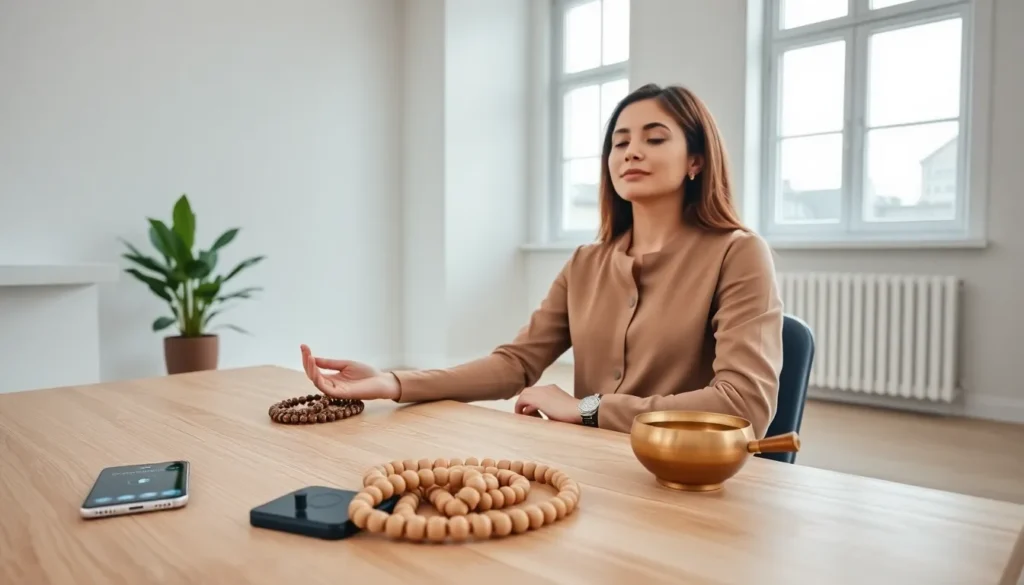
Mindfulness practices tools help people reduce stress and find calm in their daily lives. These resources range from smartphone apps to simple physical objects that support focused attention. Whether someone is new to meditation or has practiced for years, the right tools can make a real difference. This guide covers digital apps, physical aids, and low-tech techniques that support a consistent mindfulness routine. Readers will discover practical options they can start using today.
Table of Contents
ToggleKey Takeaways
- Mindfulness practices tools—including apps, cushions, and breathing techniques—help reduce stress and keep attention anchored in the present moment.
- Digital apps like Headspace, Calm, and Insight Timer offer accessible guided meditations that can produce noticeable results with just 10 minutes of daily practice.
- Physical tools such as meditation cushions, mala beads, and singing bowls create a dedicated practice space and deepen the mindfulness experience.
- Low-tech techniques like box breathing and body scans cost nothing and can be practiced anywhere, proving expensive gear isn’t necessary.
- Research shows regular mindfulness practice can reduce anxiety symptoms by up to 30%, making these tools valuable for mental well-being.
- Consistency matters more than equipment—choose mindfulness practices tools that match your personal preferences and commit to daily use.
What Are Mindfulness Tools and Why They Matter
Mindfulness tools are resources that help people stay present and aware. They include apps, timers, cushions, journals, and breathing techniques. These tools serve as anchors that bring attention back to the current moment.
Why do they matter? Modern life pulls attention in many directions. Work emails, social media notifications, and daily responsibilities create mental clutter. Mindfulness practices tools offer a way to cut through that noise.
Research supports their value. A 2023 study from the American Psychological Association found that regular mindfulness practice reduces anxiety symptoms by up to 30%. Another study published in JAMA Internal Medicine showed that meditation programs improve psychological stress markers.
These tools also lower the barrier to entry. Many people want to practice mindfulness but don’t know where to start. A guided app or a simple breathing timer provides structure. That structure helps beginners build confidence and consistency.
The best mindfulness practices tools match individual preferences. Some people respond well to audio guidance. Others prefer tactile objects like meditation beads. Understanding these differences helps each person find what works for them.
Digital Apps for Guided Meditation
Digital apps have become popular mindfulness practices tools for good reason. They’re portable, affordable, and offer variety. Most smartphones can run these apps, which makes them accessible to millions of users.
Headspace offers structured courses for beginners. Users can start with a 10-day basics program that teaches foundational techniques. The app includes sessions for sleep, focus, and stress relief.
Calm provides guided meditations along with sleep stories narrated by well-known voices. Its Daily Calm feature gives users a new 10-minute session each day. The app has won multiple awards for design and effectiveness.
Insight Timer takes a different approach. It offers free access to over 100,000 guided meditations from teachers worldwide. Users can also set simple interval timers for unguided practice. The community feature connects practitioners across the globe.
Ten Percent Happier targets skeptics who want science-backed content. The app features interviews with meditation teachers and offers practical advice for busy people.
When choosing an app, consider these factors:
- Session length options (5 minutes to 1 hour)
- Voice preferences and teaching styles
- Specific goals like better sleep or reduced anxiety
- Free vs. paid content availability
Digital mindfulness practices tools work best with consistent use. Even 10 minutes daily can produce noticeable results within two weeks.
Physical Tools to Support Your Practice
Physical mindfulness practices tools create a dedicated space for meditation. They signal to the brain that it’s time to slow down. Many practitioners find that tangible objects deepen their practice.
Meditation cushions (zafus) provide comfortable support during seated practice. They elevate the hips above the knees, which reduces strain on the lower back. Cushions come in different heights to match various body types.
Meditation benches offer an alternative for those who struggle with cross-legged positions. These wooden benches allow a kneeling posture that keeps the spine straight. They’re particularly helpful for people with knee or hip limitations.
Mala beads consist of 108 beads strung together. Practitioners use them to count breaths or mantras. The tactile sensation of moving from bead to bead keeps attention anchored. Traditional malas use wood, seeds, or gemstones.
Singing bowls produce resonant tones when struck or circled with a mallet. The sound serves as a focus point during meditation. Many people use them to mark the beginning and end of practice sessions.
Eye pillows block light and provide gentle pressure that encourages relaxation. They often contain lavender or other calming scents. Eye pillows work well during lying-down meditations or before sleep.
These physical mindfulness practices tools don’t require electricity or internet access. They last for years with proper care. Many practitioners build personal collections that reflect their unique approach to mindfulness.
Low-Tech Techniques for Everyday Mindfulness
Not all mindfulness practices tools require purchases. Simple techniques can transform ordinary moments into opportunities for presence. These methods cost nothing and work anywhere.
Box breathing uses a four-count pattern: inhale for four seconds, hold for four, exhale for four, hold for four. This technique activates the parasympathetic nervous system. Navy SEALs use it to stay calm under pressure. Anyone can practice it during a work break or commute.
Body scan meditation involves moving attention slowly through different body parts. Start at the feet and work up to the head. Notice sensations without trying to change them. This practice takes 10-20 minutes and requires no equipment.
Mindful walking turns a regular activity into meditation. Focus on the sensation of feet touching the ground. Notice the rhythm of each step. This works during a lunch break or evening stroll.
Five senses grounding helps during stressful moments. Name five things you can see, four you can hear, three you can touch, two you can smell, and one you can taste. This technique interrupts anxious thought patterns and returns attention to the present.
Journaling prompts for mindfulness include questions like “What am I grateful for today?” and “What physical sensations do I notice right now?” Writing slows down thinking and creates space for reflection.
These low-tech mindfulness practices tools prove that expensive gear isn’t necessary. Consistency matters more than equipment. A person who breathes mindfully for five minutes daily will likely see better results than someone with premium apps they rarely open.

