
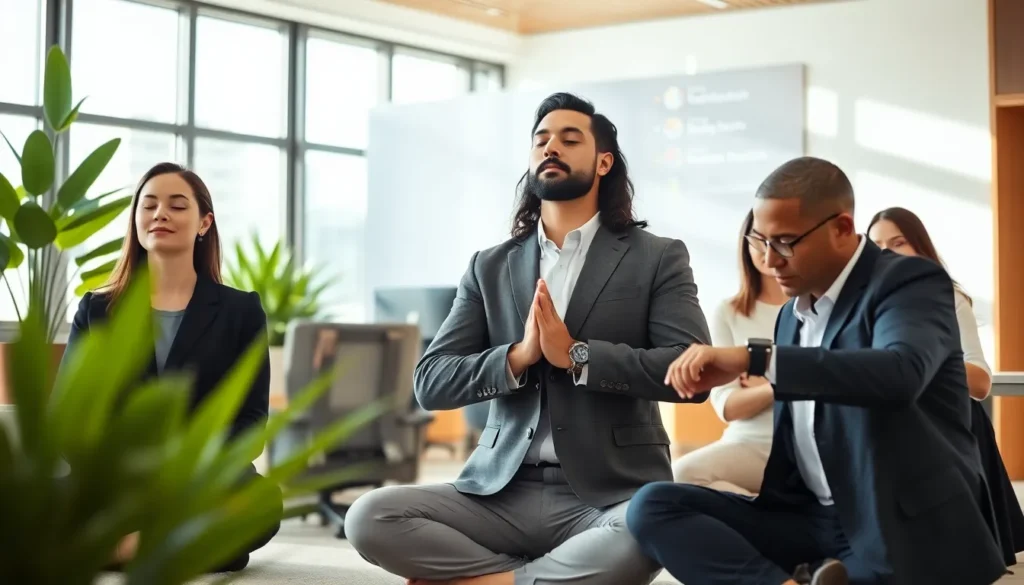
Mindfulness practices trends 2026 are shaping up to be more accessible, tech-integrated, and community-focused than ever before. As mental health awareness continues to grow, people are seeking practical ways to reduce stress and improve focus in their daily lives. The mindfulness industry has responded with innovative approaches that blend ancient techniques with modern technology.
This year marks a shift from generic meditation apps toward personalized, science-backed solutions. From AI-driven wellness tools to outdoor meditation experiences, mindfulness practices trends 2026 reflect a desire for deeper connection, both with oneself and with others. Here’s what to expect as these practices evolve.
Table of Contents
ToggleKey Takeaways
- Mindfulness practices trends 2026 prioritize AI-powered personalization, using biometric data and behavior analysis to create tailored meditation experiences.
- Workplaces are integrating mindfulness into daily operations through mindful meetings, dedicated quiet spaces, and employee training programs that reduce burnout.
- Nature-based and eco-mindfulness approaches are surging as outdoor meditation in parks, forests, and gardens delivers greater stress reduction than indoor sessions.
- Micro-mindfulness practices lasting one to five minutes fit busy schedules and build lasting habits through frequency rather than session length.
- Community-driven mindfulness experiences, including group circles, virtual global sessions, and family programs, are becoming central to mindfulness practices trends 2026.
- Habit stacking brief mindfulness exercises with daily routines creates significant cumulative mental health benefits over time.
AI-Powered Meditation and Personalized Wellness
Artificial intelligence is transforming how people approach mindfulness practices trends 2026. Gone are the days of one-size-fits-all meditation sessions. Today’s AI tools analyze user behavior, stress patterns, and even biometric data to create customized experiences.
Smart wearables now track heart rate variability, sleep quality, and stress levels throughout the day. These devices then recommend specific mindfulness exercises based on real-time data. If someone’s stress spikes during afternoon meetings, the app might suggest a three-minute breathing exercise right after.
Voice-activated meditation guides have also improved significantly. They can adjust tone, pace, and content based on how users respond during sessions. Some platforms even use natural language processing to detect emotional states from speech patterns and modify their guidance accordingly.
The personalization extends beyond the meditation itself. AI systems now help users identify their optimal practice times, preferred session lengths, and most effective techniques. This data-driven approach has increased consistency, a key factor in building lasting mindfulness habits.
Privacy concerns remain important in this space. Reputable platforms are implementing strong data protection measures and giving users control over what information they share. The best AI meditation tools strike a balance between personalization and privacy.
Workplace Mindfulness Integration
Companies are embedding mindfulness practices trends 2026 directly into their operations. What started as optional wellness perks has become standard practice at forward-thinking organizations.
Many businesses now schedule “mindful meetings” that begin with a brief centering exercise. These 60-second practices help participants arrive mentally present and ready to engage. Research shows that meetings preceded by mindfulness exercises tend to be shorter and more productive.
Dedicated quiet spaces have replaced the old “wellness rooms” that often sat unused. Modern mindfulness rooms feature sound-dampening materials, adjustable lighting, and guided meditation options. Some offices have installed biophilic design elements, plants, natural textures, and water features, to create calming environments.
Employee training programs now include mindfulness components. Leadership development courses teach managers breathing techniques for high-pressure decisions. Customer service teams learn quick reset practices between challenging interactions.
The results speak for themselves. Organizations that have integrated mindfulness practices report lower employee turnover, reduced burnout rates, and higher job satisfaction scores. These measurable outcomes are driving more companies to invest in workplace mindfulness programs.
Remote workers aren’t left out either. Virtual mindfulness sessions have become a regular feature of distributed team cultures, helping maintain connection and mental well-being across time zones.
Nature-Based and Eco-Mindfulness Approaches
Outdoor mindfulness practices trends 2026 are gaining momentum as people seek alternatives to screen-based meditation. Forest bathing, beach meditation, and garden mindfulness sessions offer sensory-rich experiences that indoor settings simply can’t match.
The science supports this shift. Studies consistently show that combining mindfulness with natural environments amplifies benefits. Participants in outdoor meditation programs report greater stress reduction and longer-lasting calm compared to indoor sessions.
Eco-mindfulness takes this further by connecting personal practice with environmental awareness. Practitioners focus attention on ecological systems, watching how water moves, how plants respond to wind, how insects interact with flowers. This approach builds both inner peace and environmental consciousness.
Urban parks have become hotspots for group mindfulness gatherings. Cities are responding by creating designated meditation zones with natural seating areas and reduced noise. Some municipalities have partnered with mindfulness teachers to offer free public sessions in green spaces.
Winter months no longer halt outdoor practice. Cold-weather mindfulness has emerged as its own discipline, with techniques adapted for crisp air and snowy landscapes. Practitioners report that mindful exposure to cold can sharpen focus and build mental resilience.
Gardening meditation combines physical activity with present-moment awareness. The tactile experience of soil, seeds, and plants provides natural anchors for attention.
Micro-Mindfulness and Bite-Sized Practices
Long meditation sessions aren’t realistic for everyone. That’s why micro-mindfulness practices trends 2026 focus on brief, powerful exercises that fit into busy schedules.
These bite-sized practices typically last between one and five minutes. They’re designed for specific moments: before a difficult conversation, after receiving bad news, during commute transitions, or right before sleep.
The effectiveness of micro-mindfulness is well-documented. Brief, consistent practice often produces better results than occasional long sessions. The key is frequency rather than duration.
Popular micro-practices include:
- Box breathing: Four counts in, hold, out, hold, repeated three times
- 5-4-3-2-1 grounding: Notice five things you see, four you hear, three you feel, two you smell, one you taste
- Single-task focus: Give complete attention to one activity for 60 seconds
- Gratitude snapshots: Mentally photograph three good things in your immediate environment
Technology supports these quick practices. Smartwatches can prompt users with gentle reminders throughout the day. Apps offer one-minute sessions optimized for specific situations.
The real power of micro-mindfulness lies in habit stacking. Users attach brief practices to existing routines, a 30-second breathing exercise while coffee brews, a moment of gratitude before starting the car. These small additions create significant cumulative effects.
Community-Driven and Social Mindfulness Experiences
Individual practice matters, but mindfulness practices trends 2026 increasingly emphasize collective experiences. Group meditation creates a shared energy that many find more powerful than solo sessions.
Mindfulness circles are appearing in neighborhoods, workplaces, and online communities. These groups meet regularly to practice together and discuss their experiences. The social accountability helps members maintain consistent habits.
Virtual group meditation has matured beyond the early pandemic-era experiments. Platforms now offer synchronized global sessions where thousands of people practice simultaneously across different time zones. Participants report feeling connected to something larger than themselves.
Family mindfulness programs have gained popularity too. Parents and children practice together using age-appropriate techniques. These shared moments build emotional bonds while teaching valuable life skills.
Intergenerational mindfulness brings older and younger practitioners together. Seniors share wisdom about patience and presence, while younger participants contribute energy and fresh perspectives. These exchanges enrich the practice for everyone involved.
Social media has evolved to support rather than distract from mindfulness. Dedicated platforms allow practitioners to share insights, celebrate milestones, and encourage each other without the noise of typical social networks.

